
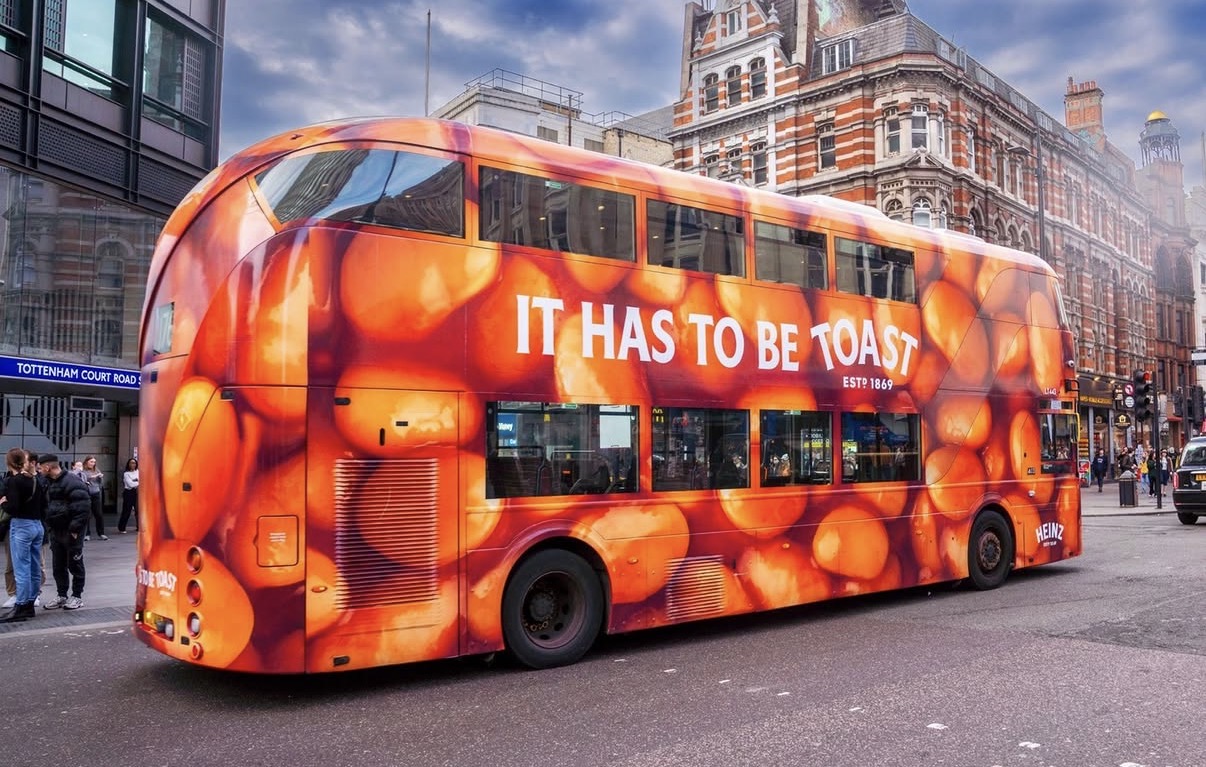
Bus advertising is the format everyone recognises and almost nobody prices accurately online. Search for bus advertising costs and you will find the same recycled paragraphs: buses are moving billboards, they reach all demographics, prices vary. Then the contact form appears, because apparently telling you what a bus rear actually costs would ruin the surprise.
I have planned and bought bus advertising across UK cities for twenty years, from ten-bus local campaigns to full-fleet city coverage.
I know which sides of the bus earn their money, how regional pricing really compares to London, and the specific mistakes that quietly waste bus budgets every week.
Every price below is from the Loud! OOH rate card, with no mark-up.
This guide covers the UK bus advertising market specifically, and that means both halves of it: the vehicles that carry your message down every street on the route, and the bus stops and shelters that hold it at the exact points where people stand still. It includes every exterior, interior and shelter format, real 2026 pricing from the Loud! OOH rate card, how fleet size and route selection actually work, and an honest answer to whether bus advertising is right for your business.
No forms. No vague ranges. No call-us-to-find-out. Just the information you need to make the decision yourself.
First, the numbers that actually matter
Buses carried around 3.4 billion passenger journeys in England alone in the year to March 2025, according to Department for Transport data, with London accounting for roughly half of that. Bus remains the most used form of public transport in the UK by a wide margin - more journeys than the entire national rail network and the London Underground combined.
~3.4bn
Bus journeys in England
DfT · year to March 2025
20,000+
UK buses carrying advertising
Covering ~95% of the UK
71%
National 2-week campaign reach
Bus media industry data
From £3
Cost per thousand (national)
Among the lowest in UK media
2–4 min
Natural dwell at a bus stop
Shelter media data
2 weeks
Typical trading period
Wraps & mega rears often annual
For advertisers, passenger numbers are only half the story. A bus advert is seen mostly by people who are not on the bus.
Street-level
Goes where billboards cannot
There are streets in every UK town where no billboard exists and none ever will - and a bus route runs down them every ten minutes. Where the route pauses, the shelter takes over: more than 20,000 advertising shelters sit at eye level on the pavement.
Fixed network
Repetition built in
A bus runs the same roads all day, every day. People who live, work, or shop along those roads see the same campaign again and again. Add the shelters and you get the fixed points too.
A well-planned national bus campaign can reach up to 71% of the UK population inside two weeks, with cost per thousand from as little as £3.
| Metric | Figure | Source / Notes |
|---|---|---|
| Bus journeys in England (year to March 2025) | ~3.4 billion | Department for Transport |
| Share of journeys in London | ~50% | DfT / TfL data |
| UK buses carrying advertising | 20,000+ | Covering ~95% of the UK |
| Reach of a national 2-week bus campaign | Up to 71% of UK population | Bus media industry data |
| Cost per thousand (national buys) | From £3 | Among the lowest in UK media |
| Natural dwell at a bus stop | 2 to 4 minutes | Shelter media data |
| Average bus passenger journey time | ~20 minutes | DfT bus statistics |
| Typical trading period | 2 weeks (most formats) | Wraps and mega rears often annual |
The structural advantage of bus advertising is repetition on a fixed network - like rail, but at street level. Add the shelters and you get the fixed points too.
Who actually sees bus advertising? The audience question.
Bus advertising has three audiences, and they are very different sizes. Understanding which formats reach which is fundamental to whether a campaign works.
Whole route
Exterior audience
Everyone the bus passes: pedestrians, drivers at lights, people at stops, shoppers, school runs, office workers. It targets a geography, not a demographic. Most UK bus advertising is booked by depot rather than individual route - still genuinely local, but ask for it in writing if someone promises one specific route.
2–4 min
Waiting audience
People standing at the stop, plus everyone walking or driving past it all day. Two to four minutes of natural dwell, and the panel never moves. Habitual users mean billboard-grade frequency - bookable in targeted postcode clusters, the sharpest local targeting in outdoor.
~20 min
Interior audience
Around 3.4 billion journeys a year in England. Passengers skew younger adults, students, and older residents - locally rooted. Interior media is priced by route and line, and bundles cheaply with exterior buys.
The practical rule
Exteriors are for reach and brand presence across a geography. Shelters are for holding the fixed points where your audience stands still. Interiors are for messages that need reading time. The best bus campaigns usually combine them, because each additional audience comes cheap once you are paying for the first.
Bus advertising is a mass local medium. It does not target a demographic; it targets a geography.
Every format explained
Bus advertising offers more format choice than any other transport medium. Exterior vehicle and shelter prices are quoted per two-week period unless stated; wraps and mega rears are typically sold on longer contracts. All prices are media cost only, excluding VAT and production. See the bus and bus stop pricing pages.
Exterior
Bus rears / Headliners
The panel on the back of the bus, in the eyeline of every driver behind it - an average 48 seconds of dwell in congestion. The classic direct-message format, and the cheapest entry point in the entire medium.
Exterior
Supersides
The long panel along the side below the windows - the pedestrian format and workhorse of bus advertising. Booked across a depot’s fleet with a minimum of around 10 buses; volume discounts from 20 buses upwards.
Exterior
T-sides
The largest standard side format on a double decker - superside plus a vertical panel forming a T. Extra height lifts creative above street clutter. Typical campaigns run 10 to 30 buses and pair well with 6-sheets.
Exterior
Streetliners
The side panel equivalent for single-decker fleets, which dominate suburban and residential networks. Puts your message at pedestrian eye level on neighbourhood routes where double deckers often do not run.
Exterior
Mega rears
The full back of a double decker, covering both decks. Typically sold on annual contracts, which brings the effective monthly rate down and suits brands building a permanent presence.
Exterior
Full wraps
The entire bus becomes the advert. Regionally typically sold on annual contracts; London wraps can be booked in four-week periods at a premium. Specialist installation is quoted separately, and TfL approval is required for some fleets.
Shelter
Bus stop 6-sheets
The panel built into the shelter itself, at eye level, facing the pavement and the queue. Two to four minutes of natural dwell, all-day visibility, and postcode-selectable booking - the sharpest local targeting tool in UK outdoor.
Shelter · Digital
Digital bus stop screens (D6)
Full-motion shelter screens across a UK network of more than 4,000 units. Add movement, time-of-day targeting, and weather-reactive creative. National play packages start from around £5,000 for 100,000 plays.
Shelter
Shelter wraps
A full branded takeover of the shelter itself - closer to a special build than a poster. Immersive, experiential, and reliably generates organic social content when the idea is strong.
Interior
Interior panels
Printed panels inside the bus, above the windows and at the front of each deck. Passengers face them for an average 20-minute journey. Priced on application by route and line, and often bundled with exterior buys.
The 2026 rate card
Media cost only, excluding VAT and production. Two-week periods unless stated - published openly, no mark-up.
Sort, filter, and compare every format below. Full detail on the bus and bus stop pricing pages.
| Format | London | Regional | Audience | Notes |
|---|---|---|---|---|
| Bus rear / headliner | £200–£600 / week | £60–£90 / panel (2 wks) | Drivers behind the bus | Cheapest entry in the medium; CPT from £3 |
| Superside | £300–£500+ / bus | £130–£275 / bus (min ~10) | Pedestrians, street level | Depot-based booking; volume discounts at 20+ |
| T-side | £500–£900 / bus | £250–£500 / bus (2 wks) | Pedestrians and traffic | Largest standard side format |
| Streetliner | POA | £180–£500 / bus (2 wks) | Suburban high streets | Single-decker networks |
| Mega rear | from £4,000 / year | from £4,000 / year | Drivers, full rear of decker | Annual contracts; lower effective monthly rate |
| Full wrap | £10,000–£30,000 / bus / 4 wks | from £18,000 / bus / year | Everyone, landmark presence | Specialist install extra; TfL approval on some fleets |
| Bus stop 6-sheet | £400–£650 / panel (2 wks) | £300–£600 / panel (2 wks) | Waiting passengers and pedestrians | Sharpest postcode targeting in OOH |
| Digital bus stop (D6) | £650–£800 / week | £400–£650 / week | Pedestrians, city centres | 4,000+ screens; national packages from ~£5,000 |
| Shelter wrap | POA | POA | Everyone at the stop | Experiential special build |
| Interior panels | POA | POA by route / line | Passengers, ~20 min dwell | Often bundled with exterior buys |
What a real campaign looks like at different budget levels
Bus advertising is a fleet medium: single-bus campaigns exist but the format works through repetition across a network. Here is what different budgets genuinely buy.
Under £1,500
Local
Genuine local presence
Ten to fifteen bus rears across your local depot’s routes can cost from under £1,000 for two weeks. Or take two or three shelter panels at the stops nearest your premises from £300 each and own the pavement your customers actually stand on. For a local business, either is a serious campaign.
£1.5k – £5k
Town
Town coverage, both audiences
Ten to fifteen supersides across the depot fleet, plus a cluster of shelter panels on your busiest corridors. Add interior panels through a bundled buy and the same budget works the pavement, the traffic and the passengers simultaneously.
£5k – £15k
City
City coverage or multi-town
Twenty to forty buses across a city’s main corridors, or a mixed-format campaign combining T-sides for impact with rears for drivers and digital shelter screens in the centre. Local people start to feel the brand is everywhere.
£15k+
Landmark
Wraps, dominance and landmark campaigns
Larger fleets across a major city, coordinated multi-town coverage, or full wraps. A wrapped double decker moving through a city centre is a campaign people photograph - and at this level bus reliably earns social and press coverage on top of paid exposure.
The factors that move the price
Five variables explain most of the difference between two otherwise similar campaigns.
Biggest lever
London versus regional
London prices well above the regional equivalent, reflecting TfL network scale, audience density, and demand. Regional and town fleets are where the value sits for most SMEs.
Volume
Fleet size and volume discounts
Per-bus rates fall as fleet size rises. Supersides carry a practical minimum of around 10 buses, with discounts stepping in from 20 buses upwards. Committing to volume upfront always beats building incrementally at open rates.
Package
Format mix
Rears, sides, shelters and interiors are priced separately but bundle well. Running multiple formats through one booking is consistently cheaper - and means the campaign works the pavement, the traffic, the queue, and the passengers simultaneously.
Timing
Campaign duration and contract structure
Most exterior and shelter formats trade in two-week periods, with rates improving on longer bookings. Mega rears and regional wraps are typically annual contracts - headline prices look large but effective monthly rates are competitive.
Total cost
Production
Printed vinyl for rears and sides typically adds £40 to £90 per panel including fitting. Shelter posters print cheaply. Full wraps require specialist installation, quoted separately. Digital formats carry no production cost.
Does it work? The honest answer on effectiveness.
Bus advertising works through repetition and proximity. Its effectiveness case rests on four things that are genuinely true - and one limitation that matters.
Yes - the best value geographic saturation tool in UK outdoor
And the bus rear is the cheapest genuine attention you can buy anywhere in the medium. It rewards brands with a defined local or city catchment, simple bold creative, and the patience to let repetition compound.
Street-level presence where nothing else reaches
Bus is the only large-format channel present on most UK high streets and residential corridors. Local recall studies consistently show strong prompted awareness among residents of the areas covered, precisely because the exposure repeats daily.
The captive driver
Bus rears average 48 seconds of dwell from following traffic in congestion. From £60 per panel, it is pound for pound the cheapest attention in UK outdoor - short-copy territory for phone numbers, web addresses, and single-line offers.
The queue that reads
A shelter panel gets two to four minutes of standing dwell from the same local people, day after day - billboard-grade frequency with genuine reading time, plus postcode-level booking precision.
Interior dwell, bundled cheaply
Twenty minutes of passenger dwell is the quiet bargain of UK outdoor when bundled into an exterior buy. Recruitment, colleges, local health services, and QR-code-led campaigns perform well here.
Where it's strongest
Geographic saturation at street level, captive rear exposure, shelter dwell with postcode precision, and long-dwell interiors at low package prices - especially for brands with a defined local catchment and bold, brief creative.
What bus advertising does not do well
Exterior exposure is brief and moving - detail belongs on shelters and interiors. Booking is depot-based rather than route-precise. The audience is broad rather than targeted, so premium B2B brands will find less concentration than on the Underground or at airports. Impression figures are modelled estimates - treat them as directional. For verified measurement, Route data is the industry standard.
It rewards brands with a defined local or city catchment, simple bold creative, and the patience to let repetition compound. It punishes complicated messages and scattergun planning.
Choosing your coverage: a practical framework
Match the coverage to your catchment - not just the biggest fleet number.
Local businesses: buy your own patch
Identify the depot network covering your catchment and concentrate there, then buy the shelter panels at the stops nearest your door. A gym, dental practice, or restaurant advertising on the buses its customers see and the stops they wait at is buying the most relevant impressions available at any price.
City campaigns: cover the corridors
Every city has main bus corridors where dozens of routes converge on the centre. Fleet coverage weighted to those depots puts your campaign on the busiest streets all day, and the shelters along the same corridors carry the highest footfall in the network.
Regional campaigns: town by town
Outside the big cities, bus advertising is often the only OOH channel with real presence in market towns and suburbs. Regional brands can build coverage town by town at regional rates, reaching communities national media plans routinely miss.
London: zones and boroughs
Campaigns are planned by area - boroughs, corridors, or the West End and City. One of the more affordable ways to buy visible, moving presence in the capital, sitting well below Underground entry costs while covering ground the Tube does not.
| Objective | Recommended approach | Typical media budget (2 wks) |
|---|---|---|
| First-time local buy | 10 to 15 bus rears across your depot’s routes | £600 to £1,350 |
| Hyper-local footfall | 3 to 6 shelter panels around your premises | £900 to £3,600 |
| Local presence, both audiences | 10 supersides plus 2 to 3 shelters | £2,000 to £4,500 |
| Town-wide consumer campaign | 20 to 40 buses, mixed sides and rears | £3,500 to £10,000 |
| City-wide awareness | Corridor-weighted fleet plus digital shelters | £10,000 to £25,000 |
| Recruitment / long-copy message | Interior bundle plus rears | From £1,000 |
| Launch or brand moment | Full wraps on high-visibility fleets | £15,000 upwards |
| London presence | Borough or corridor fleet, supersides and rears | £8,000 to £30,000 |
The booking process: what actually happens
Allow three to four weeks from brief to buses on the road for standard printed formats. Artwork approval takes a few days, print and fitting one to two weeks, and buses are fitted as they cycle through the depot. Full wraps need four to six weeks minimum. Shelter campaigns are quicker: two weeks from artwork approval to panels live is typical, and digital shelters can go live in days.
Depot selection, shelter clusters, format mix, fleet size, and rate confirmation.
Creative sign-off, CAP compliance, and vehicle / shelter template specs.
Print and depot fitting for vehicles; shelters can be live sooner, digital in days.
UK bus and shelter inventory is controlled by media owners holding contracts with bus operators and local authorities. A multi-city campaign usually means multiple owners - booking through an agency consolidates the plan, paperwork, and pricing leverage.
Is bus advertising right for an SME?
When it makes sense
- Your customers are concentrated in a specific town, city, or set of neighbourhoods
- You want repeated local exposure rather than one-off reach
- Your brand benefits from feeling established and visible in its own community
- You have a simple, bold message or a strong visual identity
- You can run long enough for the repetition to compound
When to think twice
- Your audience is a narrow professional or premium segment better concentrated elsewhere
- Your message needs study time and you are only buying vehicle exteriors
- You need precisely measured, trackable response as the primary metric
- Your catchment does not align with any meaningful depot or corridor pattern
- Your creative budget cannot stretch to work that reads at a glance from a moving vehicle
How to get more from your bus advertising budget
Before spending on wider fleet coverage, secure the two or three stops nearest your premises.
Six planning moves that consistently improve what a bus budget delivers.
Entry
Start with rears if budget is tight
From £60 per panel, bus rears are the cheapest genuine attention in UK outdoor, aimed at the one audience with nowhere else to look. For a first OOH buy, a set of rears across your local depot beats almost anything else at the price.
Shelters
Buy the stops outside your own door
The most precise purchase in this guide is the shelter panel your actual customers stand at. It is the bus advertising equivalent of owning your own shop window, twice.
Creative
Design for three seconds and thirty metres
Exterior bus creative is read at a glance. One visual, one message, legible branding. If the design needs explaining, it needs redesigning. Save the detail for the shelters and interiors, where the audience has time.
Response
Put the call to action on the rear
Drivers behind the bus have time to read and remember. Sides build the brand; the rear closes. Phone number, web address, or offer on the rear, brand story on the sides.
Interior
Bundle the interiors
Interior media prices by route and bundles cheaply with exterior buys, delivering twenty minutes of dwell. For any campaign with detail to communicate, the interior bundle is the cheapest incremental audience in the plan.
Measurement
Run search alongside, as always
Bus campaigns lift local branded search. Paid search on brand and category terms during the campaign captures the interest the buses create, and Google Search Console gives the cleanest free read on local registration.
Frequently asked questions
Final thoughts
Bus advertising is the street-level workhorse of UK outdoor. The vehicles go where no other large format exists and repeat across their network every day. The shelters hold the fixed points where the same local audience stands still, with the sharpest postcode targeting in the medium. Together they are one medium bought in two halves, and pound for pound they saturate a local geography better than anything else you can buy - with entry points, from a £60 bus rear to a £300 shelter, that no other large-format channel can touch.
The campaigns that disappoint buy scattered coverage with complicated artwork for two weeks and conclude the medium does not work. It does. It just rewards discipline.
At Loud! OOH we plan and buy bus and bus stop advertising campaigns for SMEs and challenger brands across the UK. We publish our pricing openly and do not mark up media costs. See our 2026 rate card or contact hello@loudooh.co.uk / 020 4514 9147.
This guide is part of our OOH Pricing Insights series. Buses follow fixed routes, but taxis go wherever the money is - see our taxi advertising guide, or compare every format side by side on our UK OOH cost comparison.